Outdoor Homeschool Hybrid Program
Creation is our classroom
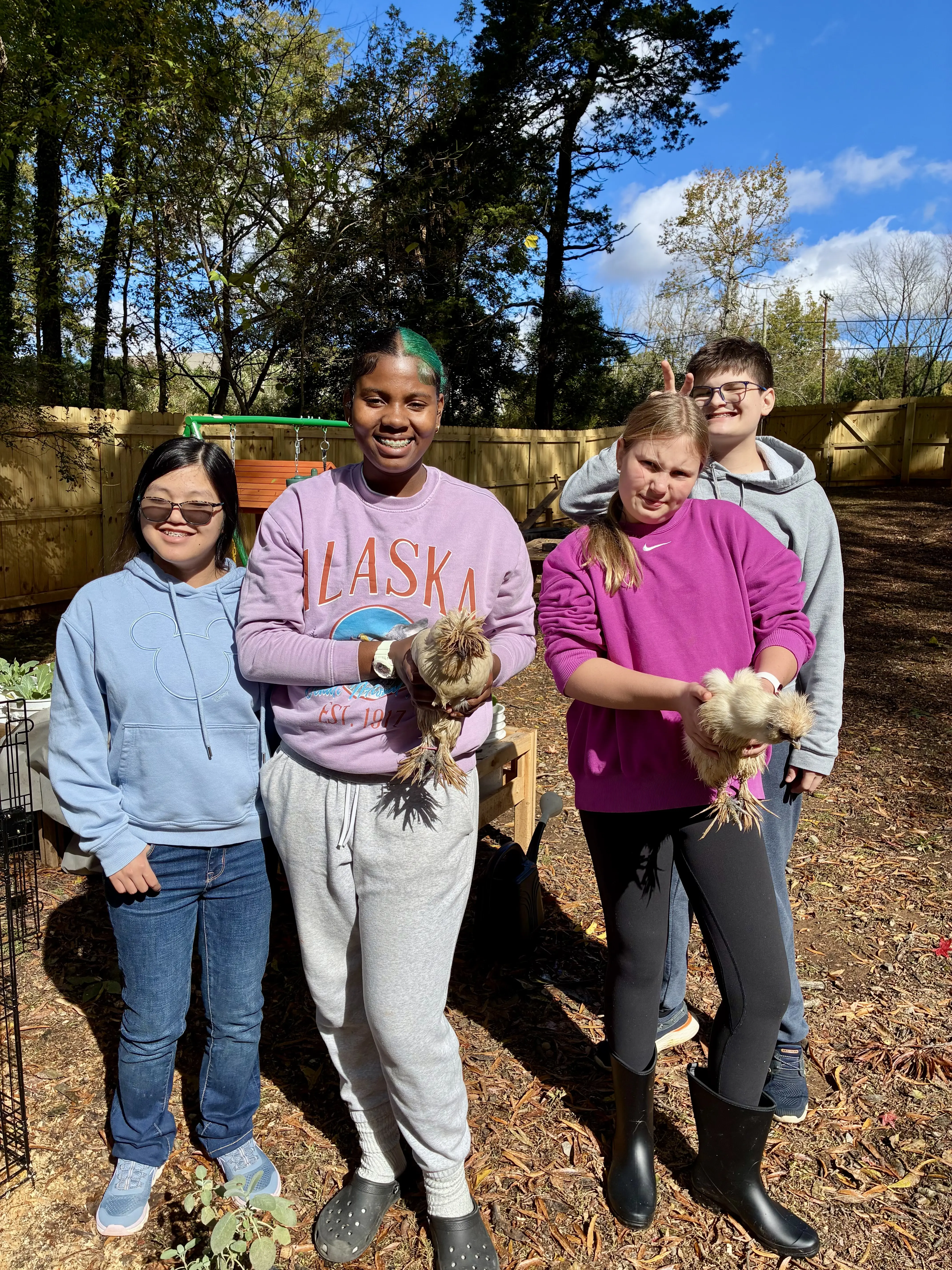
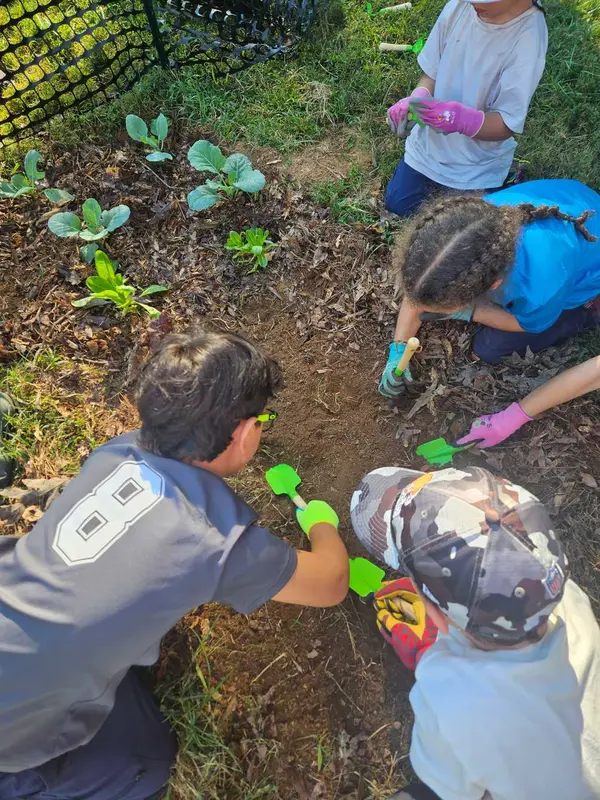
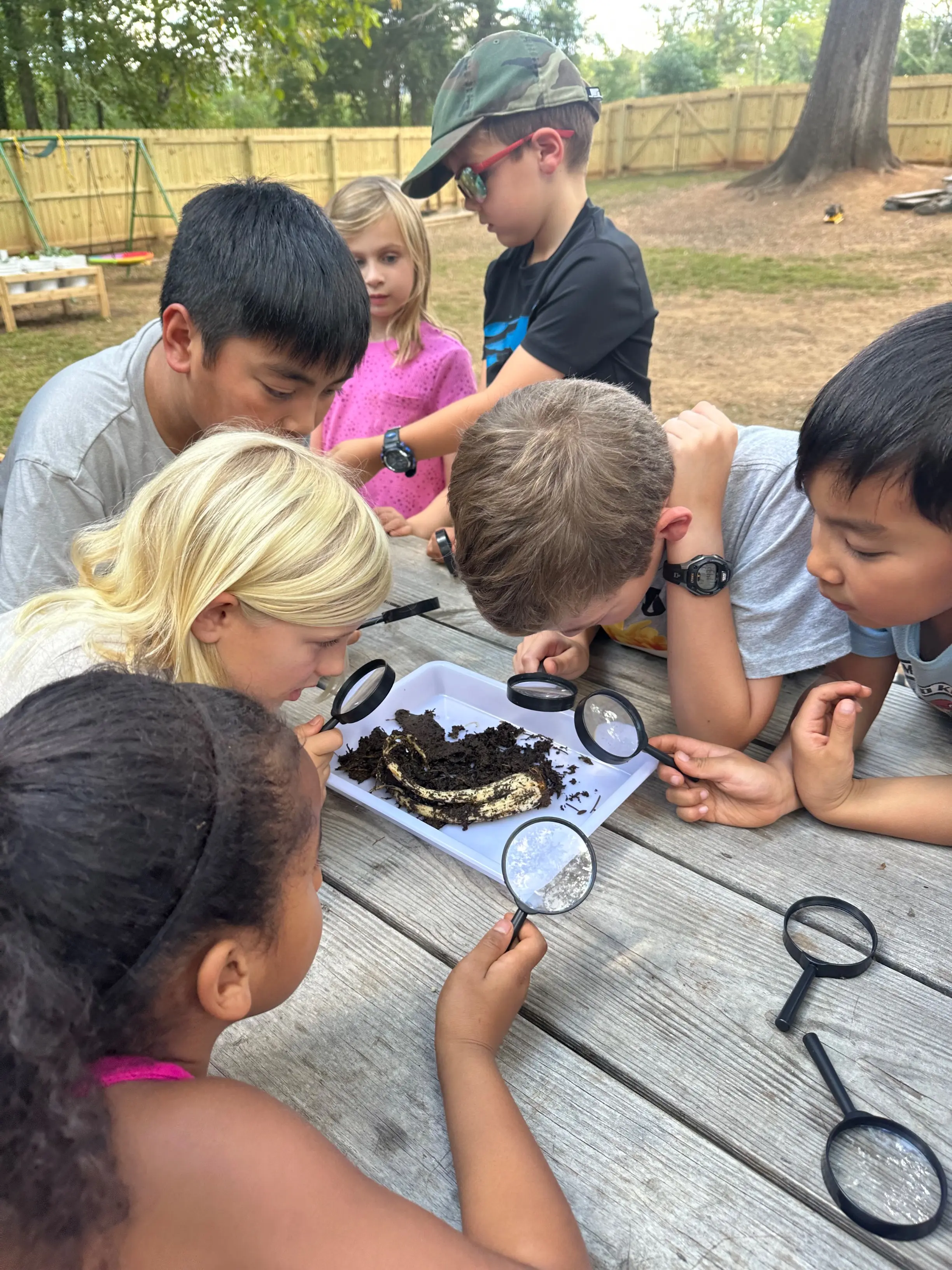
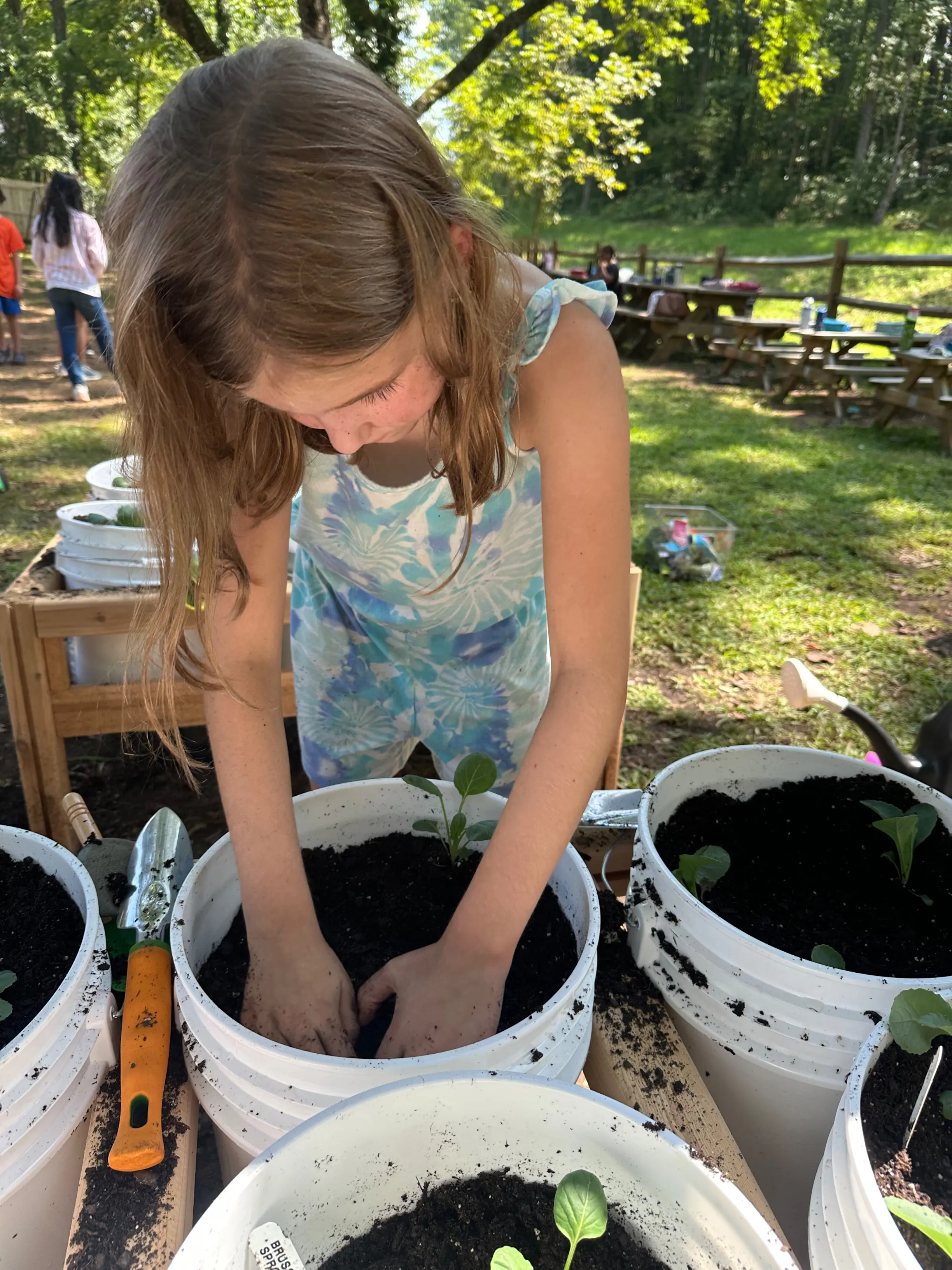
Our part-time homeschool hybrid invites children and adolescents ages 5-15 to learn by living on the land, two days a week, through hands-on, meaningful work that connects learning to the natural world. Students build gardens, care for chickens, explore the forest, and run real science investigations in a Christ-centered community.
Admissions Process
Spring 2027 applications will open soon. Until then, join our interest list to be notified first.
How admissions will work
- Complete Application
- Complete Virtual Parent Interview
- Receive an Admissions Decision
Tuition Info
- $7,500/year
- Opportunity Scholarship accepted
- Tuition Schedule
Schedule and Curriculum Info
Our Fall 2026 info packet shows the daily schedule, topics of study, and applied academics. A Spring 2027 packet with updated dates is coming soon.
FAQs
About the Program
Key Features
- Primarily outdoor, land-based learning
- Cultivating and caring for gardens
- Exploring local ecosystems and the natural environment
- Shaping and stewarding farm areas
- Caring for animals and learning responsible agriculture
- Developing entrepreneurial skills through real-world experiences
- Learning within a Christ-centered culture
Applied Academics
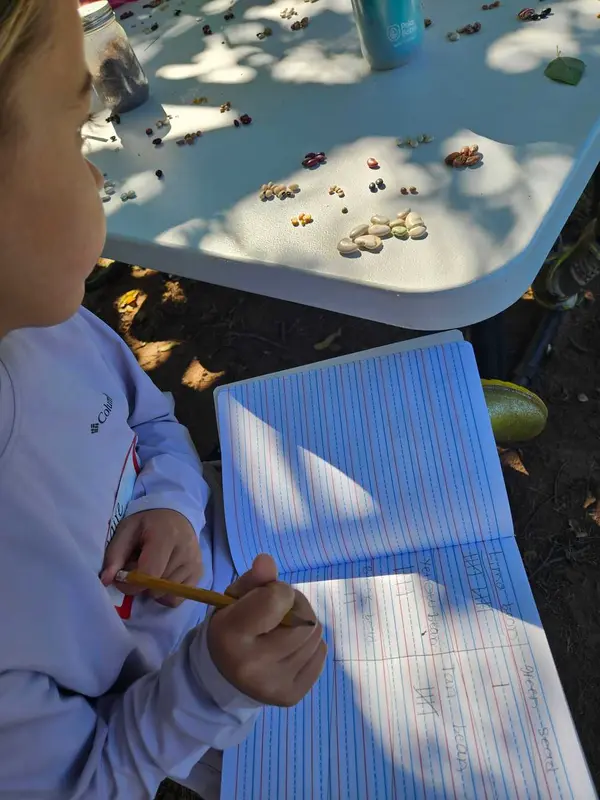
Core subjects are strengthened through meaningful, real-world work rather than studied in isolation. We know many homeschool families cover math and language arts at home. Our role is to apply those skills in purposeful contexts. Students engage in projects that require measurement, research, analysis, writing, and problem-solving. They use what they are learning at home in ways that are practical, integrated, and intellectually challenging.
Our Farm
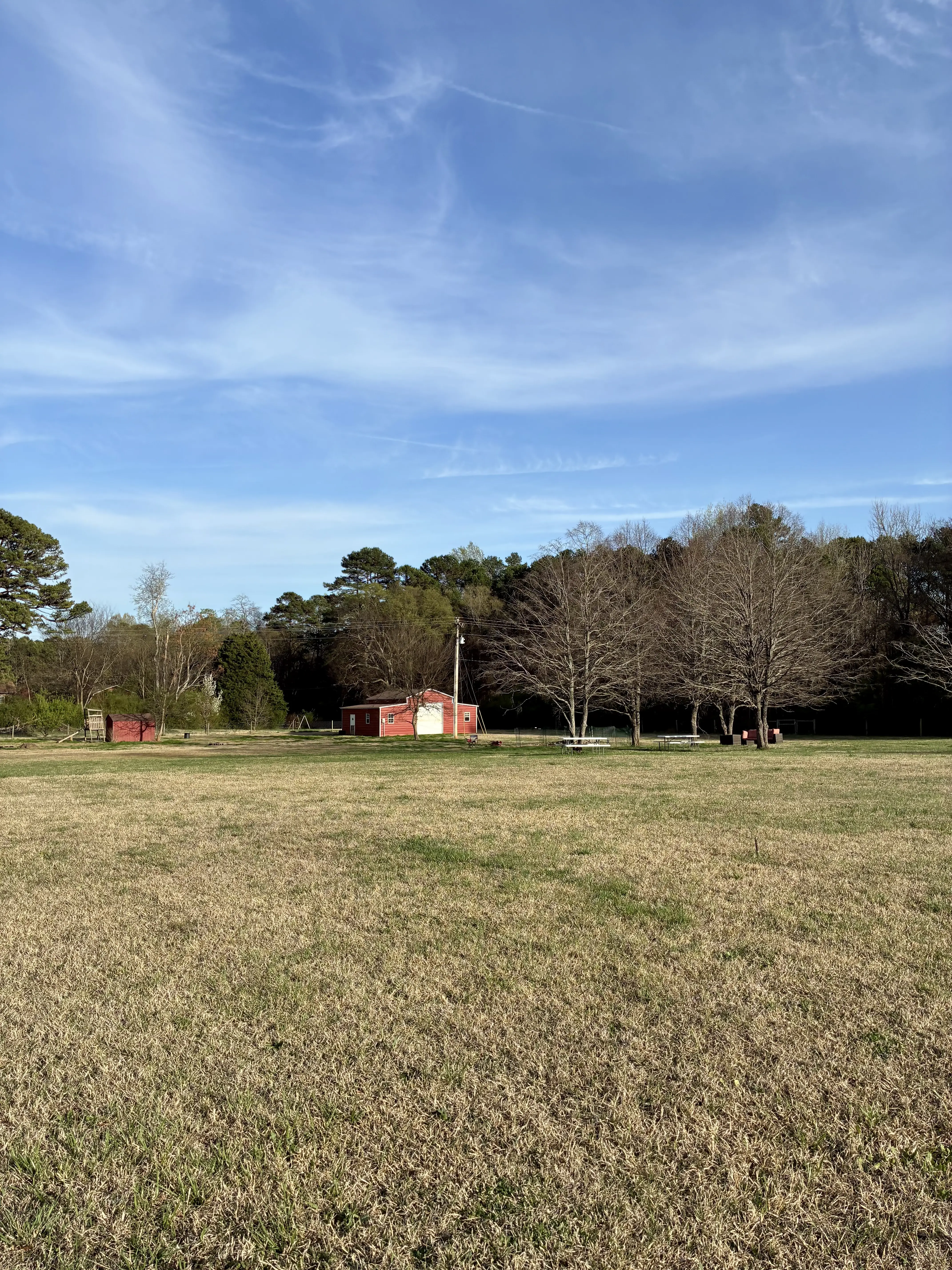
Our program meets on nearly 20 acres of farmland, tucked away just minutes from our schoolhouse in Mint Hill. There’s room to roam: open fields, woods to explore, fruit trees to harvest, gardens to tend, and a coop full of chickens. It’s a place where children can build, plant, and investigate, and where the land teaches as much as any lesson plan.
Learning Together Across Ages
For ages 5 to 15, learners spend time both with peers their own age and in mixed-age groups, creating a supportive community where younger children are closely guided and cared for, while older students are encouraged to take on meaningful roles, collaborate, and stay deeply engaged.