


Arrive & Settle
Warm welcome, greetings, and a calm start

Christian Montessori Preschool & Kindergarten in Mint Hill
Children here choose meaningful work, practice at their own pace, and feel the satisfaction of doing it themselves, building the focus and skills that carry into every subject.
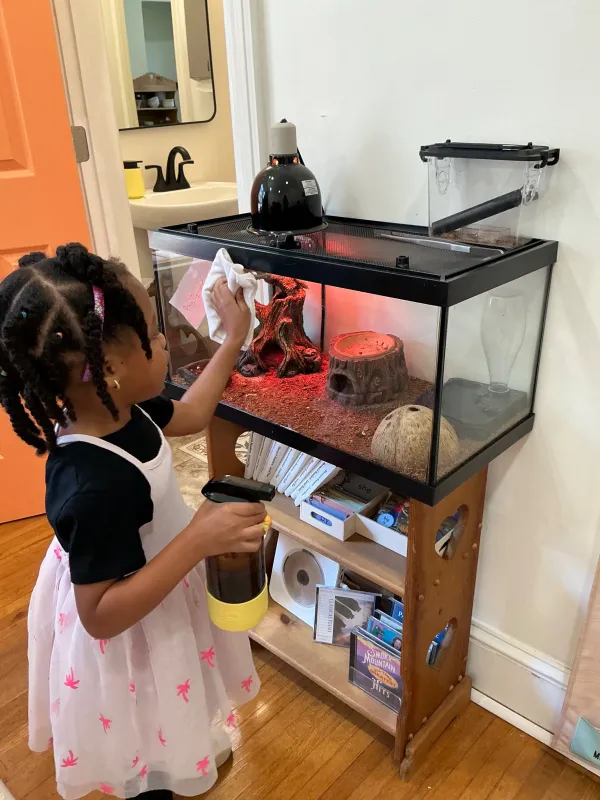
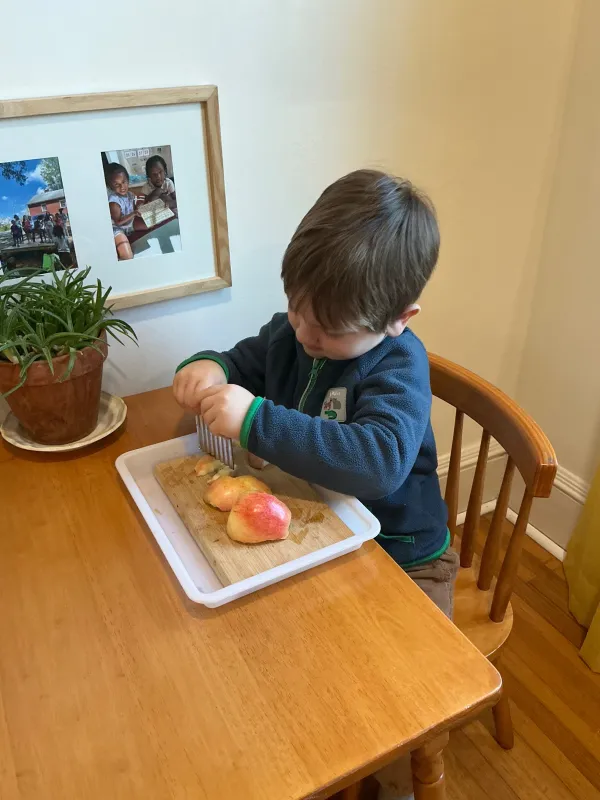
Our Primary environment serves children ages 3–6 in a nurturing, community where young learners build confidence, independence, and a lasting love of learning.
Each day is filled with hands-on exploration and purposeful work, while children learn at their own pace. Guided by caring educators, they build concentration, coordination, and care for others and the world around them.
Rooted in Christian values, our program gently weaves in faith through songs, stories, prayer, and a spirit of grace. The result is a peaceful, joyful space where children thrive.
Our Primary program combines preschool and kindergarten into one cohesive, multi-age classroom.
Children typically remain in this environment from age 3 to 6:
For families seeking a kindergarten alternative in Charlotte, this final year offers strong academic readiness, leadership opportunities, and a deep sense of confidence before moving into our elementary program.
Both options provide a rich Montessori experience. Many families begin with half-day and transition to full-day as their child grows in independence and stamina. Tuition is the same for both programs.
Children are dropped off and enter the classroom independently. They begin with a quiet activity, allowing for a calm, gentle transition into the day before gathering together at 8:30.
We begin each morning together with a prayer, devotional, and quick lesson. Children then engage in a long, uninterrupted work period. During this time, children are free to choose activities that interests them, move at their own pace, and engage in focused, meaningful work.
When the weather allows, we enjoy lunch outdoors at the picnic tables. All children eat together, then half-day families head home at 12:00.
Full-day children stay for time to play and explore. Our outdoor space encourages imaginative play, movement, and friendship, giving children the chance to recharge before returning to the classroom.
Children who benefit from a midday nap have the opportunity to rest in a quiet, peaceful space.
This peaceful break helps them return to the classroom refreshed
Children who do not nap engage in an afternoon work cycle, continuing with purposeful activities.
Following rest time, the napping children join.
At the end of the day, children help tidy the classroom, gather their belongings, and prepare for dismissal. This routine builds responsibility and care for their environment.
Families arrive during the dismissal window to pick up their children at the back of the schoolhouse. During this time, we ensure each child is safely dismissed with their belongings and a cheerful goodbye.
If you’re looking for a Christ-centered, curiosity-driven school where children are known, supported, and inspired to take ownership of their learning—we’d love to connect. Whether you’re ready to dive deeper or just have a few questions, we’re here.